When it comes to protecting your skin from the sun, the tip of the nose doesn’t get much attention – even though it’s one of the areas of your body that requires the most protection.
After all, because of its location and shape, your nose tends to be one part of your body that is always exposed to direct sunlight. Whether you’re driving into the morning sun, taking the dog out for a mid-day walk, or spending an afternoon gardening, it’s taking the brunt of ultraviolet (UV) rays day in and day out.
Knowing this, it’s no surprise that about one third of non-melanoma skin cancers develop on the nose. While the rest of the cases are more prevalent on other areas of the body, there are a few things to know – regardless of where the skin cancer may be located. From advancements in sun protection to skin cancer treatments, there are some key things for everyone to know about skin cancer – starting with the tip of your nose.
Skin Cancer on the Body: Most Common Spots
It is true that skin cancer can develop on areas of the body that never see the sun. However, the most common areas for skin cancers to develop are in areas that receive the most UV radiation. There are two types of skin cancers: melanoma and non-melanoma skin cancer.
Non-melanoma skin cancer tends to present due to cumulative UV radiation on the skin. Because of this, it is most likely to occur where your body has had the most exposure to the sun’s powerful rays.
These areas include the head, neck, face, and arms. Most non-melanoma skin cancers appear on the face, with one area being the most prevalent.
“The nose is a particularly common site for basal cell carcinoma,” said Joe Sardano, CEO, Sensus Healthcare. “Research has estimated that 25–30% of facial BCCs occur on the nos.”
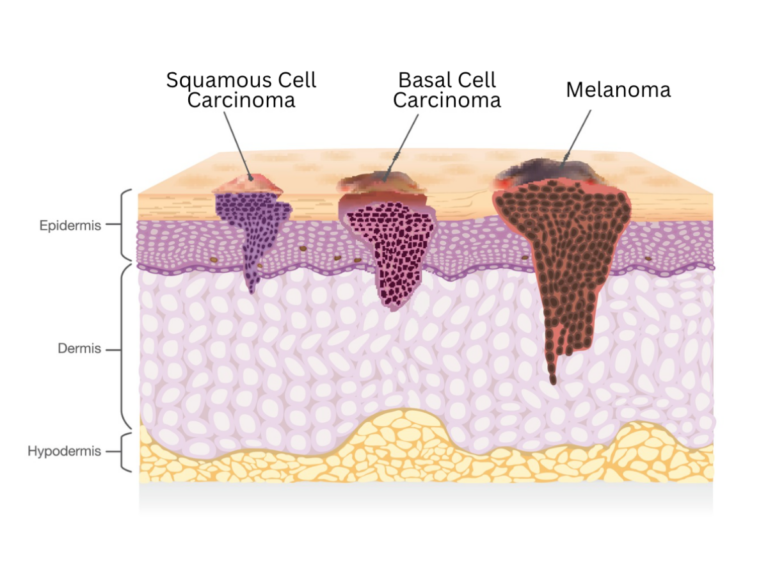
Basal cell carcinoma is the most common type of non-melanoma skin cancer for the tip of the nose. This type of skin cancer also tends to be most prevalent on the head and neck, as well as other areas regularly exposed to the sun like the ears or scalp.
Referred to as BCC, it often looks like a shiny, pearly, or translucent bump. It may not hurt or be bothersome in any way, but it usually looks different than other spots or moles on your body. While it grows slowly, early detection and treatment can ensure that it doesn’t damage the tissue around it.
Squamous cell carcinoma (SCC) is the second most common type of non-melanoma skin cancer. This appears as a scaly patch or a firm raised red lump or bump. It can also be an open sore that never heals. Like BCC, SCC spots or bumps look different than others on your body.
SCC also commonly appears on the head and neck. It can also be common the back of the hands, arms, or lower extremities like the legs as well.
Both BCC and SCC make up most non-melanoma skin cancer cases. While they are not as aggressive as melanoma, early detection and treatment remains important.
Skin Cancer Treatment Options without Surgery
Advancements in technology and treatments have resulted in more options for patients. Depending on where the non-melanoma skin cancer may be located, as well as lifestyle needs for the patient, patients now have option to align a treatment option that best fits their life and condition.
“We have a lot of different treatment options we can offer patients,” said Dr. Vishnu Harikumar, board-certified dermatologist, Visage Dermatology. “That’s why early detection is key.”
Different treatment options are available to meet patients where they are in their journey. Dr. Harikumar shares that non-invasive treatment options are important for patients who are surgery fatigued, anxious about it, don’t want to deal with a wound, or even people who are not great surgical candidates.
“If we find skin cancers early, creams are an option,” continued Dr. Harikumar. “There’s also radiation therapy. We use x-rays to treat skin cancer while preserving healthy tissue.”
More commonly referred to as Superficial Radiotherapy (SRT), this type of treatment offers a non-surgical method for treating non-melanoma skin cancer. There’s no cutting, no stitching, no recovery period.
When non-melanoma skin cancer occurs in areas like the tip of the nose, relying on the traditional method of surgical excision or Mohs surgery can be challenging.
“They have to fillet your nose to repair it by surgery,” said Sardano. “Now, you don’t have to have surgery. It can be treated without surgery.”
With SRT, the patient completes a series of visits where they receive a quick treatment protocol to cure the cancer. Compared to Mohs surgery, SRT offers similar cure rates – as high as 98.9%.
By having options for skin cancer treatment, patients can evaluate what may make sense given their specific diagnosis and lifestyle considerations.
What’s the Best Way to Prevent Skin Cancer?
Preventing skin cancer starts with focusing on good sun protection.
“Prevention goes back to good sun protection, sunscreen and sun protective clothing, and seeking shade,” said Dr. Harikumar.
The sun’s UV rays tend to be strongest between 10 a.m. – 2 p.m., but it’s recommended to wear sunscreen and practice good sun protection even on days when the sun’s not shining.
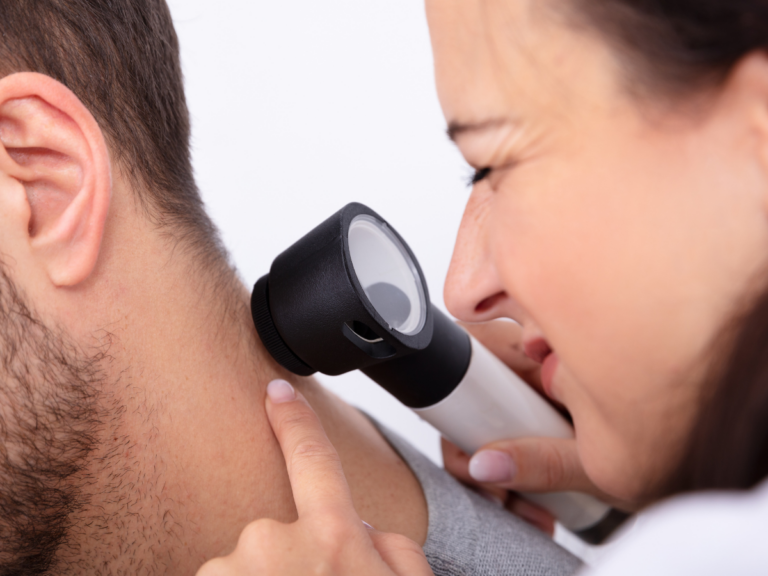
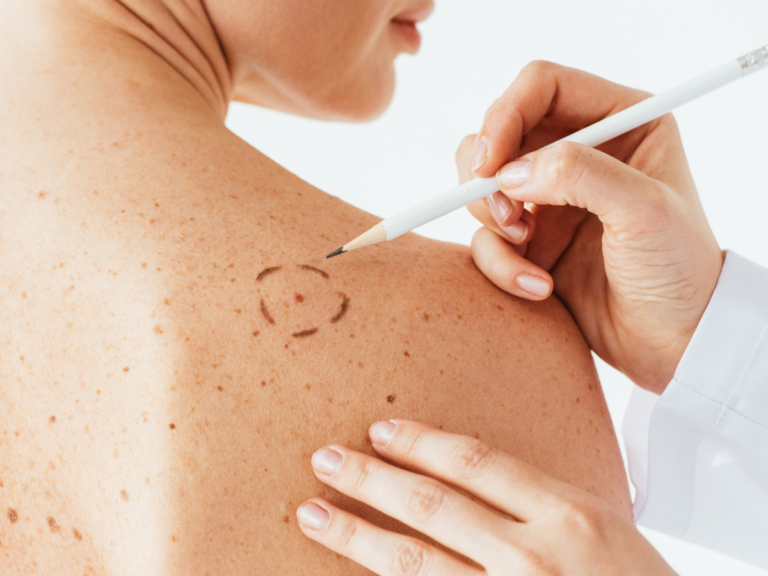
In addition, medical experts recommend seeing a board-certified dermatologist at least once per year and getting your skin checked. If you notice a spot on your skin that looks unusual, even if it doesn’t hurt, it’s important to get it checked out.
“One of the biggest mistakes I see is patients waiting months or years because a lesion doesn’t hurt,” said Dr. William Posten, a board-certified dermatologist with Advanced Dermasurgery Associates.
In addition, at-home skin checks on a monthly basis are a good way to detect whether there are any new growths or spots, as well as if any that you’ve detected previously are growing at a faster rate or look unusual.
Find a provider near you to learn more about Superficial Radiotherapy (SRT) treatment options.